Â
An average 60% of what we put on our skin is absorbed into our bodies. It becomes part of us! Therefore, it is imperative that we choose our skincare as carefully as we should choose our foods. Just as ultra processed foods are garnering media attention, so should skincare for the same reason.
Here at Heavenly Organics Skin Care, our approach to skincare is ‘if you can’t eat it, don’t put it on your skin’ and to use as few ingredients in each product as possible – because – when two or three ingredients do the job we need, why add twenty more?
We do not bulk our products out with water – aqua – often found to be the first ingredient in lotions. Water promotes microbial growth so when it is added to a product, the microbial growth issue is combatted with the addition of a whole host of preservatives (many of which are listed below) which are compromising to our health.
At Heavenly Organics Skin Care, we do not use water as an ingredient in our products. This means our products are 100% goodness and a little goes a long way. This is unlike so many other well-known products where there will be just one active ingredient hidden in a list of tens of other ingredients, that is negated by the addition of water and other body compromising ingredients.
Overall, I’ve found that if a skincare product can be purchased on the high street, it generally contains ingredients to avoid. Please note that all the information below is based on my own reading, research and experience.  I am not medically qualified.  Please also be aware that this list is based on ingredients that are permitted for use in the UK.  There are some ingredients banned in the UK but permitted for use in skincare in other countries.  These are not listed here.
Â
Here’s a list of ingredients we will never use and why we believe they should be avoided:
Â
Alcohol
Often found in – many different skincare products from cleansers to creams for apparently different purposes such as preservation, a solvent to blend ingredients together and prevent separation, an astringent, to help penetration of other ingredients deeper into the skin layers, to facilitate quick drying of a product.
Examples of different alcohols to watch out for: ethanol; ethyl alcohol; SD alcohol /alcohol denat/denatured alcohol
Cetyl, cetearyl, stearyl are fatty alcohols deemed to be non-skin irritating. However, we believe any alcohols in skincare should be avoided. People can often be tempted to use products with alcohols in to help with oily skin. Â However, this can cause to the skin lipid skin cell depletion as well as inflammation which stimulates the sebaceous glands to produce more sebum (oil). Â Thus, creating more oily skin and potential pore clogging which can lead to breakouts and acne. A vicious circle but one that is avoidable.
Â
Aluminium
Often found in antiperspirants.
Preventing sweating (a VERY necessary function for health) leads to pore clogging and toxin accumulation. Â When aluminium builds up in the body it can cause numerous issues including the widely publicised one of promoting proliferation of cancer cells in the breasts. Other issues include disrupting and damaging cells and causing imbalances in the endocrine system and a whole host of issues across the entire body.
Â
Butylated Hydroxyanisole (BHA) & Butylated Hydroxytoluene (BHT). Use has been restricted in the UK yet it is still permitted.
Often found in lipsticks, sunscreen and moisturisers.
A fat-soluble synthetic compound used as a preservative in skincare. These synthetic antioxidants are potential carcinogens, and they can cause hormonal disruptions as well as liver & kidney damage. They have also been known to cause symptoms such as headaches, hives, rashes and fatigue.
Â
Cera Microcristallina (also known as microcrystalline wax)
Often found in lipsticks, lip balms, mascaras, eyeliners, creams, and lotions.
A petroleum derived ingredient (I could just leave it at that!), its main purpose is to provide structure, stability, and texture to a product as well as being an emulsifier. See below on Petrolatum for more information.
Â
Dimethicone (also known as polydimethylsiloxane)
Often found in: moisturisers & hair care.
Dimethicone is a synthetic silicone – a partially liquid substance derived from silica. It is an emulsifier, binding a product together, to prevent separation. It is also used as a moisturizer helping to prevent moisture loss from the skin and improve the appearance of the skin, giving it that hydrated, plump, smooth look and filling in fine lines and wrinkles. It is also an occlusive which means it prevents moisture loss from the epidermis (top layer of the skin). It does so by acting a protective barrier and can thus clog up our precious pores creating breakouts and trap in bacteria.
Â
Ethylenediaminetetraacetic Acid (EDTA)
Often found in: products that lather.
EDTAs are common preservatives that prevent the growth of bacteria, mould, and yeast. They also help skincare products lather and neutralise hard water build-up on your scalp and skin. One of the purposes is to enable other chemicals to penetrate your natural skin barrier, thus allowing other potentially harmful ingredients to enter your body.
Â
Isopropyl Myristate and Isopropyl Palmitate
Often found in: moisturisers and anti-ageing creams.
Isopropyl Myristate is the combination of isopropyl alcohol and myristic acid. A compound that encourages increased absorption of active ingredients into the skin.  Yet it is also thought to be highly comedogenic – pore clogging. Isopropyl palmitate is a thickening agent used in many creams and sunscreens and is also highly comedogenic.
Â
Oxybenzone
Often found in: sunscreen – a synthetic UV filter.
Oxybenzone, also known as benzophenone-3, is an organic compound that has been widely used in broad-spectrum sunscreens since the 1970s helping filter both UVB and UVA rays. Hawaii has banned this ingredient after a study discovered that oxybenzone contributed to bleaching and harming of coral reefs. The European Chemical Agency (ECHA) has classified oxybenzone as a potential endocrine disruptor. The European Union has introduced regulations limiting the concentration of oxybenzone to 6% in sunscreen products. Oxybenzone can absorb into the body alarmingly quickly and increasingly so with further applications – way beyond safe recommended levels.  It often causes allergic reactions and has relatively high rates of skin reactions. It has even been detected in human breast milk, amniotic fluid, blood & urine. Children may be more susceptible to the side effects due to their skin’s potential for higher absorption.
Â
 Parabens
Often found in: many skincare products.
There are different types of parabens – prefixed – for example: isopropyl; propylparaben; butylparaben to name a few.
A cheap preservative which many people are aware of due to the media attention they received and consequently some parabens have been banned for use in cosmetics whilst others have been restricted with a maximum permitted concentration limit. Â This group of preservatives are deemed hormone disruptors and can mimic the effects of oestrogen, which have been linked to cancer formation and reproductive issues such as infertility in women. Other hormonal negative side effects can include changes: in brain function and cholesterol; thyroid function, immune system. Â They often cause allergic reactions with a wide range of dermatitis symptom such as swelling, itchiness, dry irritated and flaking skin.
Â
 Petrolatum
Often found in: creams and lotions.
Derived from petroleum, alternative names include petroleum jelly, mineral oil, and paraffin. Â These are extremely common and especially so in medically prescribed topical creams (think aqueous creams) – alarming to say the least. It is often hailed as a wonderful moisturising agent due to its ability to create a barrier on the skin, preventing water loss and protecting the skin from external factors. Â However, it does this by suffocating the skin and clogging the pores. Â Therefore, the skin cannot breathe and is prevented from properly performing one of its core functions. Â Bacteria and any other pollutants within the dermal layers of the skin will remain trapped. All products derived from petrolatum have the potential to contain carcinogens and irritants if not fully refined.
Â
Parfum or Fragrance
Often found in: many cosmetics.
Synthetic fragrances are lab-manufactured, not naturally occurring, but can be created from a blend of natural and man-made ingredients, none of which are required to be listed on the ingredients – the word ‘parfum’ or ‘fragrance’ can simply be used. Their primary use is to keep products fragrant for longer periods of time, usually about twice as long as natural scents can. Often comprised of toxic ingredients including hormone disruptors amongst others.
Â
Polyethylene glycol (PEG)
Often found in creams as a thickener or emulsifier – previously those exfoliating beads that found their way easily into our water systems were made from this.
Derived from petroleum and considered to be a carcinogen and a skin irritant can impact the respiratory system. It can also strip off the natural oils (sebum) from your skin which sends a message to the sebaceous glands to produce even more.  This can result in imbalanced and potentially overly oily skin.
Â
Propylene Glycol
Often found in: a wide range of skincare including lotions, shampoos and serums. It is also a common additive in foods.
Often derived from petroleum (see Petrolatum above), it is yet another preservative, a humectant (draws water into the skin), a solvent (dissolves powdery substances). Â It can lead to contact dermatitis, irritations and can clog pores.
Â
Sodium Benzoate
Often found in: creams to deodorant (many products).
A chemical and odourless crystalline powder made by combining benzoic acid and sodium hydroxide. Some say sodium benzoate is safe, others not. Â Therefore, I er on the side of caution and avoid it. One great concern about sodium benzoate is its ability to convert to benzene, a known carcinogen.
Â
Sodium Lauryl Sulphate (SLS)/Sodium Laureth Sulphate (SLES)
Often found in: shampoo, body wash, shaving foams, foundation, face wash, mouthwash, and toothpaste.
It’s a surfactant – a lathering agent, a skin irritant due to it stripping the skin of its own natural sebum/oils it can easily disrupt the skin oil balance as well as its natural barrier protection. Sodium laureth sulphate binds less to the skin than sodium lauryl sulphate so it could be less irritating. Some products will claim to be free from SLS/SLES but use a different surfactant that can still strip the natural oils from the skin. It is also comedogenic (pore clogging) and may cause breakouts/acne.
Â
Talc
Often found in: baby powder, face powder, eye shadow.
Talc, or magnesium silicate (mainly made of magnesium, silicon, and oxygen), is a mineral known for its silky texture and absorbency ‘qualities’ aiding a smooth appearance on the skin. However, it is comedogenic which can create breakouts.  In addition, due to how moisture absorbent it is, it can strip the natural oils from the skin, drying it out and disrupting its natural balance. Thus, rendering it more prone to irritation. The most worrying issue with talc is the potential presence of asbestos, even in trace amounts – asbestos is a known carcinogen. Talc is easily inhaled due to its fine particle composition. There have been concerns about the use of talcum powder in the genital area and an increased risk of ovarian cancer.
Â
Triclosan – sometimes called triclocarban.
Often found in: antibacterial soaps & toothpastes (now banned in mouthwash).
This ingredient is an antimicrobial agent commonly found in antibacterial soaps. A consequence of its widespread use is that bacteria have become more resistant to it. Triclosan can be disruptive to the endocrine system (hormones are secreted by the glands of the endocrine system, travelling through the bloodstream to various organs and tissues in the body telling them what to do or how to function). Triclosan can accumulate in human fatty tissues and can be passed on to babies in the womb during pregnancy. Triclocarban is permitted in all cosmetic products, except for mouthwash, up to a maximum concentration of 0.2%. Backing up the concern for its potential risks, toothpaste containing triclocarban or triclosan must come with a warning that is it not suitable for use for children under the age of 6.
Â
Trimethicone
Often found in moisturisers and hair care.
See Dimethicone – trimethicone is another silicone that performs similar functions to dimethicone except it is apparently more lightweight and more appropriate for oily skin. However, the results and effects are the same as are our issues with it.
Â
Toluene (may be listed under: benzene, toluol, phenylmethane or methylbenzene)
Often found in: nail polish, nail polish removers and hair dyes.
Toluene is petrochemical solvent and can be used as an ingredient in nail polish removers, due to its ability to help dissolve other substances in nail polishes.  It is also used in nail polishes to facilitate a smooth finish. A synthetic antioxidant used to improve product stability and reduce oxidation. Derived from petroleum or coal tar, it is extremely powerful and cause all manner of bodily issues such as disruption to the immune, nervous, respiratory and reproductive systems.
Â
Here at Heavenly Organics Skin Care we’re big advocates of supporting independent businesses – we are one, after all!
Without the support of our loyal customers, who choose to buy our products rather than shopping with the big retailers, we simply wouldn’t exist.
Here are some of our thoughts on why supporting local and independent businesses is so important.
Independent businesses are often owned and operated by locals, which means that the money spent there stays in the community. This money can then be reinvested in other local businesses, creating a cycle of economic growth.
This can also lead to an overall improvement in the quality of life in the community.

Creating More Jobs
Small businesses are major job creators in the UK, accounting for almost two-thirds of all private sector employment. By supporting independent businesses, consumers can help to create more jobs in their local area.
This not only benefits the individuals who are employed but also the wider community by reducing unemployment rates and increasing economic stability.
This is particularly important following the COVID-19 pandemic and the ensuing cost of living crisis, which has had a devastating impact on small businesses in the UK and led to a significant number of closures.
Government figures showed around 22,000 companies suffered insolvency last year in England and Wales, which is more than any time since 2009.
Encouraging Local Entrepreneurship
When people see successful independent businesses in their community, it can inspire them to start their own ventures. This can lead to a more diverse range of businesses in the community, which can help to attract more visitors and boost the local economy even further.
By supporting independent businesses, consumers can help to encourage and nurture local entrepreneurship.
Enhancing Product Diversity and Quality
Independent businesses often offer unique and high-quality products that cannot be found in the big retailers. By supporting these businesses, consumers can help to promote product diversity and quality.
This can also lead to more innovation and creativity in the local business community, which benefits everyone.

![]()
How to Support Independent Businesses
Small, independent businesses are the backbone of many local communities. They create jobs, provide unique products and services, and help to keep money circulating within the local economy. Here are some ways to support independent businesses:
Shopping Locally
One of the most effective ways to support independent businesses is to shop locally. When you buy from local businesses, you are supporting your community and helping to keep it thriving.
Look for independent shops in your area and make an effort to shop there instead of at big chain stores. You may even find that the prices are comparable, and the quality is often better.
Promoting on Social Media
Social media is a powerful tool that can be used to promote independent businesses. If you have a favourite local business, share their posts on your social media accounts to help spread the word. You can also leave comments and reviews on their pages to help boost their online presence.
Participating in Community Events
Many independent businesses participate in local community events such as fairs, festivals, and markets. Attending these events is a great way to show your support and discover new businesses. You may even find that you can purchase unique products that are not available in stores.
Leaving Positive Reviews
Leaving positive reviews on websites such as Google, Yelp, and Facebook can help to increase the visibility of independent businesses. When people search for businesses in your area, the ones with the most positive reviews will often appear at the top of the search results. By leaving a positive review, you can help to increase the chances of someone discovering and supporting a local business. Here at Heavenly Organics Skin Care we’d really appreciate some more Google reviews – you can leave us one here – thank you!
Supporting independent businesses is an important way to help keep your community thriving. By shopping locally, promoting on social media, participating in community events, and leaving positive reviews, you can help to ensure that small businesses continue to thrive.
![]()
In recent years, there has been a growing interest in organic products, and skincare is no exception.
More and more people are turning to organic skincare for its numerous benefits and the desire to adopt a sustainable lifestyle.
Organic skincare products are formulated with natural ingredients that are free from harmful chemicals, making them a healthier and gentler option for your skin.
What is Organic Skincare?
Organic skincare refers to products that are made from natural ingredients sourced without the use of synthetic pesticides, fertilisers, or genetically modified organisms (GMOs). These products are crafted from plants grown using sustainable farming practices, ensuring the highest quality and purity.
Organic skincare is not only good for your skin but also for the environment, as it encourages the preservation of biodiversity and supports local farmers and manufacturers.

The Benefits of Organic Skincare
Gentle on your skin: Organic skincare products are free from harsh chemicals such as parabens, sulfates, and synthetic fragrances. These chemicals can irritate and damage your skin, leading to dryness, redness, and other skin issues. Instead, organic products utilise natural ingredients that are gentle and soothing, promoting a healthy and radiant complexion.
Nourishing and hydrating: Organic skincare products often contain ingredients like shea butter and jojoba oil, which are rich in vitamins, minerals, and antioxidants. These natural ingredients have nourishing and hydrating properties, helping to moisturise and rejuvenate your skin. They can also improve skin elasticity.
Reduced risk of allergic reactions: Synthetic chemicals found in conventional skincare products can cause allergic reactions, especially for individuals with sensitive skin. Organic skincare products, on the other hand, minimise the risk of irritation and allergic responses due to their natural and gentle composition.
Environmental sustainability: Choosing organic skincare products contributes to a more sustainable environment. Organic farming practices avoid the use of harmful pesticides and synthetic fertilisers, reducing soil erosion and water pollution. Additionally, organic skincare brands often use eco-friendly packaging materials, further reducing their impact on the environment.
Cruelty-free: Many organic skincare brands are committed to cruelty-free practices, ensuring that their products are not tested on animals. By opting for organic skincare, you can support ethical and sustainable practices that respect and protect animal welfare.

Incorporating Organic Skincare into Your Routine
If you are new to organic skincare, start by researching brands that prioritise organic ingredients and sustainable practices. Looking for certifications such as Soil Association, USDA Organic or Ecocert, as these labels guarantee that the products meet specific but minimum organic standards.
These certification bodies state that a product has to contain a minimum percentage of organic ingredients to meet their organic criteria. Therefore, certain non organic ingredients and pesticides are still permitted. At Heavenly Organics Skin Care, our products are not certified due to the high cost involved to our small business.
However, where our products state the word ‘organic’ in the title, this means those products are made up of 100% organic ingredients. Where one of our products do not state organic, this means they are made up of naturally occurring ingredients as well as organic ingredients. An example of this is our facial cleansers that contain kaolin clay (naturally occurring – not grown and can therefore not be sold as organic).
So the organic story can be complex and whilst we recommend always seeking organic skincare, please bear in mind that certified organic products can still contain pesticides and non-organic ingredients. Always read the ingredients.
When transitioning to organic skincare, it is essential to remember that everyone’s skin is unique.
What works for one person may not work for another. Experiment with different products and pay attention to how your skin responds. Allow some time for your skin to adjust to the new routine before making any judgments.
Finally, remember that skincare is not just about the products you use but also about maintaining a healthy lifestyle. A balanced diet, regular exercise, proper hydration, and sufficient sleep all contribute to healthy and vibrant skin.
Conclusion
Organic skincare offers a natural and sustainable approach to taking care of your skin. By choosing organic products, you support your skin’s health while minimising your environmental footprint.
With the numerous benefits it provides, organic skincare is undoubtedly worth considering as you embark on a journey towards healthier and more conscious living. Take the leap and let organic skincare unlock the beauty and radiance you deserve.
Heavenly Organics Skin Care’s products are made entirely from organic, natural and vegan materials. If you’re looking for more information on the ingredients which make up our products, we’ve compiled the following guide!
Vegan Skincare Ingredients A – Z
Amla powder is the main conditioning ingredient. Amla hails from the Indian gooseberry. Not only does it condition the hair beautifully, it also helps prevent hair loss, stimulates growth and strengthens the hair down to the roots. It also has combative benefits too such as treating and preventing dandruff, treating head lice and scalp infections. It even helps prevent premature greying of the hair. Rich in vitamins C & E gives amla the ability to help heal, eliminate a build up of toxins and stimulate the hair and scalp.
Arrowroot powder is healer for skin irritations. With its soft texture, it absorbs moisture and sebum from under your arm. It also helps eliminate toxins.
Bentonite. A highly absorbent and swelling clay, bentonite is composed of aged volcanic ash found in different parts of the world and has been used in treating various conditions since earliest recorded history. The largest and most popular deposit is found near Fort Benton, Wyoming- hence its name. The particles in the clay contain a negative charge that attracts all types of toxins and pathogens such as bacteria, metals and pesticides, all of which have a positive charge. With its negative charge, bentonite clay draws out excess oil and impurities to the skin’s surface and unclogs the pores by removing dead skin cells. It even has the ability to draw out poison from insect bites and stings. Its antibacterial qualities help speed up the healing process whilst increasing blood flow and circulation. This clay is ideal for oily, congested and acne prone skin due to its powerful nature. Not only will this face mask cleanse and detoxifying your skin, it is also feeds the skin with its mineral content of calcium, copper, sodium, magnesium, zinc, iron and potassium. To gain the exfoliating benefits of this mask, we recommend massaging the face in slow circular motions when rinsing. This will slough off dead skin cells whilst stimulating the circulation.
Bicarbonate of Soda is a natural deodoriser and odour-absorber. It is also naturally antibacterial which is necessary when it comes to under the arms!
Cedarwood essential oil is naturally antiseptic, antimicrobial and antifungal and an astringent. This combination renders is ideal for skin conditions such as eczema and spot prone skin.  Abundant in anti-inflammatory compounds, cedarwood is excellent for easing aches, pains and general stiffness.  If you’re having trouble sleeping, then cedarwood can come to the rescue with its ability to relax and sedate the body.
Chamomile essential oil is naturally anti-inflammatory and so able to calm and soothe skin irritations, scarring, rosacea, acne, spots and blemishes. Brimming with antiseptic, antibacterial and antibiotic properties this oil will help fight infection. Being an antioxidant, chamomile oil will also help fight those damaging free radicals and help maintain youthful skin.
Cocoa butter is a solid-at-room-temperature butter, that is extracted from the cacao bean, which grows on the cacao tree. The cacao pod is a large, gourd-shaped fruit; inside the pod are 30 to 40 cocoa seeds. These seeds are dried, roasted, and pressed and the fat is then extracted from the beans giving us this beautiful cocoa butter. That fat is what we know as cocoa ‘butter’. What is left over from this process is ground down to become cacao powder.
We’ve chosen to use cocoa butter in our hand and foot balms as a main ingredient due to its ability to hydrate and nourish the skin and improve elasticity. The fat in cocoa butter forms a protective barrier over skin to hold in moisture. Anti-oxidant rich, free radical fighting & anti-aging vitamin E, cocoa butter is rich in natural plant compounds called phytochemicals. These substances may improve blood flow to the skin and slow skin aging by protecting against damage from the sun’s harmful UV rays.
It also contains polyphenol CMP, which has been found to suppress active oxygen, a factor in cancer. Polyphenol CMP also inhibits the production of an immuno-globulin that aggravate dermatitis and asthma, which would account for the incredible feedback we’ve had from customers reporting that our hand balms (containing 80% cocoa butter) have helped clear up their skin conditions.
Cocoa butter is well known for helping to prevent stretch marks, heal scarring and for its excellent moisturising and anti-inflammatory properties. Abundant in minerals such as calcium, potassium, magnesium, zinc, manganese, copper and iron. It also contains tryptophan, involved in the formation of serotonin, the ‘feel good’ neurotransmitter, that makes us feel happier. It’s no wonder we love it so much.
Eucalyptus essential oil is extracted from those beautiful leaves of the eucalyptus tree, native to Australia. Eucalyptus boasts a wide array of benefits and many of those are perfect for the feet: It is anti-inflammatory rendering it ideal for swollen, tired and aching feet; antiseptic, antibacterial, antimicrobial and a disinfectant so perfect for cleansing the feet and ridding them of bacteria; relieves itchiness and pain.
Grapeseed oil is a non comedogenic oil (non pore clogging) and is rich in vitamin E which helps prevent damage to the body from free radical damage.  Some natural oils are good for your hair, but they can also leave it feeling oily and weighed down. Grapeseed oil is lightweight and doesn’t have that effect. When applied to your hair, grapeseed oil adds moisture, strength, and shine. Grapeseed oil contains high levels of linoleic acid, an omega-6 fatty acid that can help control acne by decreasing clogged pores. It has been said that acne-prone skin has been found to be deficient in linoleic acid which can cause the skin’s natural oil (sebum) to become thicker thus leading to clogged pores. Therefore, with it being excellent for both the hair and skin is the reason why we chose this special oil for use in our beard and shaving oils.
Grapefruit Essential oil is mentally uplifting & stimulating citrus oil that is anti-oxidant, antiseptic and anti-microbial which makes it perfect for cleansing the skin. With its anti-viral properties, it boosts the lymphatic system so can help with freeing the body of toxins. Oily skin can benefit from grapefruit as it helps reduce the overproduction of sebum. Excess sebum is oily skin.  By aiding the skin to regenerate, grapefruit can help maintain youthful and glowing skin.
Illite clay has strong absorption properties and is ideal for normal to oily skin. With its high mineral content it both nourishes the skin whilst drawing out impurities simultaneously. Illite gains its green colour from the presence of decomposed algae and plant matter – rich in vitamins and minerals.  Green clay can appear different depending on where it’s purchased. The darker the clay the higher the quality. With its astringent, pore tightening qualities, this clay really gets to work on your skin and you will feel the difference immediately after use. Illite contains anti-inflammatory properties making it ideal for calming inflamed, red and spotty skin. It draws out toxins and impurities whilst soothing the skin simultaneously.
Jojoba. Native to southern Arizona and California, jojoba oil has been used in skincare for centuries. Extracted by cold pressing the jojoba seed, jojoba oil, whilst called an oil, it is actually a liquid wax ester.  Another non-comedogenic oil, jojoba oil is so alike to the skin’s own naturally produced oils (sebum) that it is readily absorbed without any oily residue and will consequently help regulate and balance excessively oily skin. Rich in vitamins A and E, and omega-6 fatty acids which are essential components of the skin’s barrier. This barrier protects on the skin’s surface and combined with the anti-inflammatory effects of the vitamin E, allows the skin to heal and regenerate its cells. It also acts as a humectant, meaning it works to retain moisture in the skin. Rich in antioxidants and with high anti-bacterial properties, jojoba oil is excellent in promoting skin health and combatting the ageing process and of course fighting skin conditions such as acne and psoriasis.
Juniper Berry essential oil is a powerfully cleansing and detoxifying oil. Helping with fluid retention and preventing formation of cellulite, juniper berry really is an incredible oil.   It is also a natural anti-oxidant, antifungal and anti-inflammatory and can work wonders on the skin to help combat an array of conditions such as acne and eczema.
Kaolin clay is a mineral rich, light clay and extremely soft in texture. Kaolin gets its name due to the clay first being taken from the hills in Gaoling, China. Kaolin can come in slightly different shades of white – sometimes pink or greenish but the whiter the clay, the purer it is. With its neutral Ph, kaolin does not dry your skin out. However, it still has powerful and beneficial properties with its ability to gently extract impurities making it ideal for tackling spots and acne and also removing excess oil from the skin. Not only does this soft clay cleanse the skin without irritation, it also soothes inflammation.
Kelp. Our UK sourced organic kelp powder with its luxurious deep green colour is rich in vitamins, minerals, amino acids and trace elements: Vitamins B12; C; E; omega 3; potassium; iron; iodine; choline; copper; zinc; sulphur; magnesium and zinc. All of these have numerous benefits to the skin such as soothing, calming, fighting free radicals with its antioxidants. This is skin and hair food at its best. The omega 3 in particular stimulates hair growth whilst iron and zinc help maintain healthy hair production. Vitamins A B,& C, E and calcium naturally abundant in seaweed help maintain a healthy hair structure and natural shine.
Lemon essential oil. Antibacterial and antimicrobial lemon essential oil is an astringent and detoxifying. Coming from the peel of the lemon, not the juice, lemon essential oil is really rather powerful. Its antiseptic properties help in treating and clearing skin and reducing excessively oil skin. Research has shown that lemon oil contains powerful antioxidants and helps fight inflammation. Lemon is also an uplifting oil so will help elevate your emotions. It is even thought to help aid better concentration.
Lemongrass essential oil comes from the tall grass that grows in tropical climates is added to this body butter blend to create something quite wonderful. This fresh and zesty oil gives a gentle citrusy aroma and has a vast array of benefits too. Lemongrass is antibacterial, antifungal and anti-inflammatory which renders it yet another healing and calming essential oil.  Lemongrass is a popular ingredient for massages due to its anti-inflammatory properties but also because of containing eugenol which is known to have similar effects as aspirin. It can be used to help relieve headaches and migraines as well as muscle and stomach aches.  Furthermore, lemongrass is an anti-oxidant which can help fight the free radicals that can wreak havoc on our bodies. It even has antidepressant qualities.  Lemongrass is frequently used as natural insect repellent making it an excellent holiday companion.
Lime essential oil does not only emit the most heady and uplifting scents, it also has wide ranging benefits for the skin: antiviral, antiseptic, antibacterial and a disinfectant – we adore this oil. The oil we use is produced from steam distillation as opposed to cold pressing and is therefore not phototoxic and doesn’t cause photosensitive reactions in the skin.
Olive Oil (Extra Virgin) contains as least four different types of antioxidant: vitamins A & E, polyphenols, phytosterols and avenasterol to help maintain a healthy body. The antioxidants in the olive oil work by neutralising damaging free radicals that can lead to skin aging and skin cancer. Chlorophyll is also present in olive oil – a photosynthetic pigment found in plants and algae – the life giving part of the plant. It is an anti-aging substance that promotes the healing of skin conditions and wounds.
Orange essential oil boosts the mood and is an anti-depressant and even an aphrodisiac. It is excellent for the skin with its anti-inflammatory and antiseptic properties making it ideal for acne, dermatitis and uncomfortable skin conditions. It even aids the reduction of dark spots, thanks to the vitamin C content. Orange essential oil promotes circulation whilst simultaneously reducing enlarged pores and firming the skin.
Patchouli essential oil –  many of our customers tell us how much they love patchouli and how it evokes such warming nostalgic emotions and memories. But patchouli is not only evocative but it is excellent for skin conditions such as chapped skin eczema and psoriasis, as well as calming with it stress relieving properties.
Peppermint essential oil is an analgesic, meaning it has pain killing properties. The menthol naturally within peppermint is a refrigerant. This provides a cooling sensation that is activated by the cold sensors within the skin. This is what makes peppermint so refreshing for the feet. Peppermint helps improve circulation too and is antibacterial, antimicrobial, antiseptic and reviving too. So peppermint is ideal to soothe painful, tired and aching feet and revive them leaving them feel refreshed.
Rhassoul clay. This reddish brown wonder of nature, rhassoul clay hails from the mountainous regions of Morocco, formed by a natural combination of volcanic activity and geothermal changes; it has been a skincare staple for Moroccans for centuries.
Nourishing the skin due to its richness in magnesium, silica, potassium, zinc and calcium. Whilst purifying pores, it helps detoxify the skin and if you have sensitive skin that needs detoxifying this Rhassoul Face Mask would be ideal where the Bentonite Face Mask may be too intense. Helping reduce excessively oily skin and balances out sebum secretion with its natural astringent properties, it really is a true gem. Soothing and evening out the skin tone, the mask will help unblock pores and eliminate black heads and combat spots and acne.
Rose Geranium essential oil – not only is this versatile oil anti-inflammatory, anti-viral, anti-fungal anti-bacterial, anti-microbial and anti-septic with its ability to treat acne, blemishes, cellulite, scarring, varicose veins, rosacea and dull skin, it is also uplifting, rejuvenating and can help with anxiety and depression.
Rosemary essential oil is extracted from the small leaves of the rosemary shrub. Giving a wonderful and refreshing scent, rosemary comes packed with benefits too. With its anti-inflammatory components, this special oil will help calm and soothe tired and aching feet (we currently only use rosemary essential oil in our foot scrub & soak). It also boosts circulation, is stimulating and energising and even said to relieve stress and anxiety.
Shea butter is the fat that is extracted from the nut from the shea (Karite) tree, mainly grown in West Africa and is the African treatment for skin conditions such as eczema, scarring, stretch marks, sunburn, itching, insect bites & ski n blemishes. Shea butter is the key ingredient our body butters & hand & body creams.  With its creamy texture it is a delight to apply to the skin. Scientific investigations have found that shea nut butter does not pose any known or likely allergy risk to consumers, including those with peanut or tree nut allergies.
We use organic and fair trade shea butter which contains naturally occurring vitamins A, E & F, helping to maintain optimum skin health. Improving elasticity and abundant in fatty acids that help with collagen production, to help maintain youthful skin and with its mild SPF (thought to range from 4-6 SPF, naturally), anti-inflammatory properties and ability to reduce skin irritation shea butter is a true skin healer. Shea butter not only works on the surface of the skin, creating a protective barrier but it also penetrates deeply into the dermal layers of the skin to heal within.
Our sunflower seed oil is cold pressed and organic for the ultimate in skincare. Sunflower seed oil is non-comedogenic and therefore does not clog the pores (which can create break-outs). Anti-oxidant rich sunflower seed oil helps neutralise free radicals which can damage our skin cells. Helping promote cell regeneration, this wonder oil is anti-inflammatory and is therefore ideal for many a skin condition where the skin becomes inflamed. The vitamin E that is naturally abundant in sunflower seed oil helps protect the collagen and elastin in the skin and is therefore considered anti-aging. This light and golden oil is also high in vitamin A which is a natural anti-oxidant and like vitamin E helps regenerate the skin cells.
Tea Tree essential oil has been used for centuries to clean wounds and treat a wide variety of skin conditions. It is a popular go to choice of oil for those prone to spots due to its antimicrobial, anti-inflammatory, antiseptic, antibacterial, antiviral and even antifungal properties. Tea tree will cleanse the skin, help eradicate any infection and calm inflammation.
Unrefined Sea Salt used in our face and body scrubs is Soil Association certified. We use fine grain sea salt as we find this the ideal grain to exfoliate the skin effectively without any abrasive harshness that often comes from course grain salt.
There you have it! Our guide to the organic, natural ingredients in our vegan skincare products! If you have any questions about our products, please don’t hesitate to contact us!

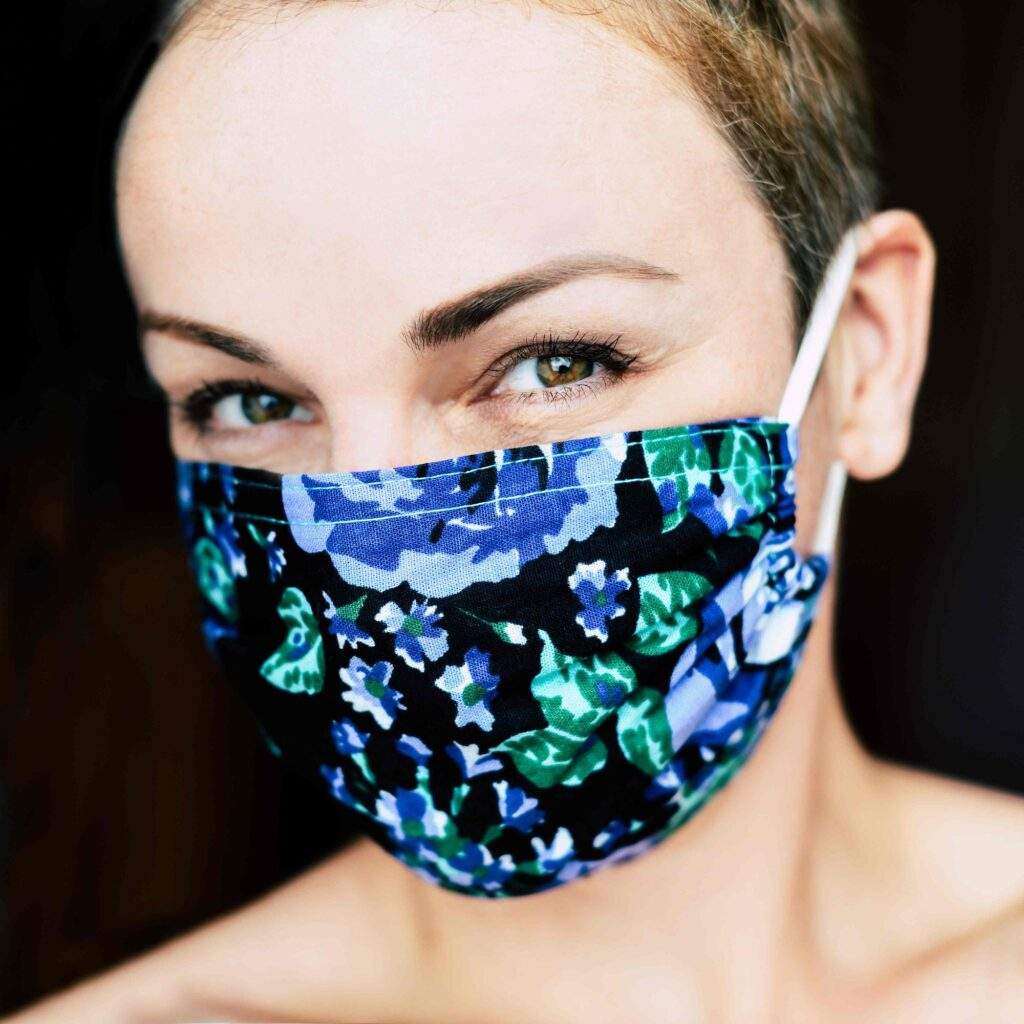
If you’re finding that having to wear a protective face mask is playing havoc with your skin, this is just the blog for you!
In this article we’ll tell you how to care for facial skin when you have to wear a face covering because of COVID-19.
Whilst face masks are here to protect us and those around us, many are unfortunately finding that having to wear them for long periods of time is resulting in breakouts on the face. Â
Some have referred to these breakouts as ‘maskne’.
Face masks causing skin problems
Increased levels of CO2 within the mask, higher humidity and temperatures, and also bacteria from the respiratory system, can lead to the accumulation of sweat which cannot evaporate into open air – leading to blocked pores, which of course can create spots or acne. Â
Face masks or coverings can also rub and irritate the skin where it is pressed more firmly against it, which can cause soreness too. Â
So, what can we do to help prevent breakouts and soreness?
If you’re wearing a reusable mask, ensure it’s made from natural and ideally organic material such as cotton. Make sure you wash it regularly, so that the mask itself doesn’t become clogged with your skin’s oils. Â
Ensure you’re regularly cleansing and exfoliating your face. Cleansers will remove the daily grime build up and gently cleanse your pores and can be used daily.
Facial scrubs for mask skincareÂ
Our facial scrubs will exfoliate away the dead skin cells and help rejuvenate. These can be used up to twice a week (and no more, as you can over-exfoliate). Â Our facial scrubs contain vitamin E rich sunflower seed oil which will nourish and gently moisturise your face as well.

Skincare face masks
We’d also recommend using one of our face masks – but we’re talking face masks as in skincare, not face coverings! Our face masks (and we have different ones suitable for different skin types and complaints) will help withdraw trapped toxins from the skin pores and encourage the skin to breathe.  These can also be used once or twice a week and if you alternate them with the facial scrub days, you’ve got yourself a wonderful skin care routine sorted. Â
When you’re drying your face following, washing, cleansing or exfoliating, make sure you pat your skin dry with a towel and don’t rub it which could irritate the skin.
Finally, be sure to moisturise. Ensure your moisturiser is non-comedogenic (pore clogging) and will be absorbed easily, which will help keep your skin from drying out, help with cell renewal and soothe soreness.
Protect your skin during the COVID-19 pandemic
We hope that you are keeping safe and well and that these facial skincare tips will help in protecting your skin, during the challenging COVID-19Â times in which we’re living.
If you would like any more skincare tips, don’t hesitate to reach out to us on our social media platforms or via email and we’d be delighted to try and help you!
As we approach Christmas 2019, our headlines continue to be dominated by news about climate change. In a holiday dominated by overconsumption, it’s important that we as responsible citizens of this planet try our best to limit our impact on our environment.
This article discusses the best ways to ensure you have a merry zero waste and eco-friendly Christmas this year!

Zero Waste & Eco Presents
There has never been a better year than 2019 for zero waste and eco gifts. Eco-conscious products are becoming more and more popular which means we have more choice than ever.
Bamboo Travel Cutlery
Â
Beautiful bamboo products are a great way to surprise any friend or family member who enjoys being on the go. These beautiful cutlery sets include a bamboo knife, fork, tablespoon, teaspoon and steel reusable straw.
Bamboo cutlery sets are the perfect useful gift for anyone that likes to eat on the go, regularly buys lunch out of the office or enjoys hiking at the weekends.
These fantastic sets can help eliminate a person’s need for single-use plastic!
Reusable Coffee Mug
The perfect eco-friendly Christmas gift for any coffee lovers you may know. Can you imagine how many coffee cups people must go through each year stopping at their local Starbucks every morning?
A top reusable coffee mug can instantly eliminate any need for single-use plastic cups. They come in all sorts of designs and shapes too so you can pick the perfect one for your special person this Christmas.

Eco-Friendly Cosmetics
The cosmetics industry has gone zero waste beauty mad in recent years with many vegan, eco-friendly and zero waste products now available on the market. There are so many wonderful products using eco-friendly ingredients that any person would love to receive for Christmas.
Some great zero waste beauty products to consider include makeup, perfumes, moisturisers, cleansers and our own hand balms, which do not come plastic-packaged and for which we provide eco refill packs.
You can take zero waste living to the next level by buying cosmetics with a refills option. Your gift recipient can avoid rebuying the packaging again eliminating any further waste.
Just refill your existing containers with more of the product for plastic-free skincare. Every little helps!
Make Your Own
A simple way to reduce your carbon footprint with gifts this year is to make your own. There are tons of DIY gift articles and instructional videos out there. You can make anything from bath salts to candles.
Apart from helping reduce your footprint, homemade gifts are also more personal and special.
Wrapping Paper and Cards
Â
Did you know that most wrapping paper is not recyclable? Plus, once it’s all torn apart you can’t reuse it either!
A great way to avoid this is to use Christmas gift bags and tissue paper that can be reused over and over again.
You can also reduce waste with Christmas cards. Look out for cards made from recycled paper and then make sure you recycle them once finished with.
Â
Eco Travelling
Many of us travel over the Christmas holidays whether it’s an hour down the road, the other side of England or a flight to the other side of the world.
Travelling during your eco-friendly Christmas can be unavoidable as we all want to be with our family and friends during this special time.
So, how can we be more eco-conscious when it comes to travelling?
Offset Flights
Â
If you really must fly this Christmas it’s a good idea to consider offsetting your flight emissions. It’s now really easy to do this with many airlines giving you the option to offset your carbon emissions as you book your tickets.
If you have to offset by yourself, it can become complicated so it’s best to use an offset guide to help you work it out.
Use Public Transport
Â
If you are planning to travel this Christmas, consider taking public transport instead of the car. You will be amazed at how many emissions can be saved. Check out the emissions used per km travelled on various transport:

Sustainable Food
Food is obviously an important part of the Christmas holiday but it’s also one of the worst culprits for waste and carbon footprint. Christmas foods are especially wasteful with lots of unnecessary paper and plastic packaging. Here are a few ways to limit the waste for this year’s eco Christmas:
Â
Eat Plant-based
No doubt you have heard about the plant-based diet or vegan diet. Both are significantly less damaging to our environment as animal products have such a high carbon footprint and produce a lot of waste. This year you could opt to eat fewer animal products or even eliminate them completely to help minimise your waste and emissions for your eco Christmas.
There are some truly wonderful Christmas recipes out there this year so you won’t feel like you’re missing out!
Leftovers & Waste
Â
There are always leftovers at Christmas so make sure you use every last bit in the days after Christmas. As for any food waste, you can use a garden composter and reuse it in your own garden.
If you don’t have a composter do your best to dispose of food waste properly, using the correct bins ready for pick up.
Parties
Are you planning on throwing a Christmas party or two this year? If so, here are some great ways to keep them zero waste as possible.
Create an Eco Theme
Â
Tell your guests that you want to throw an eco Christmas party and to try to limit the packaging on everything they bring with them.
It can be a fun challenge to avoid plastic and it can result in people bringing interesting goodies to the party they never normally would.

Use Nature’s Decorations
Obviously, you want the house to look great for your party but that means buying decorations. How about instead of buying decorations you use what nature gives us for free?
Twigs, sticks, leaves, acorns, pinecones and flowers. You will be amazed at what you can create with natural decorations and a string of fairy lights.
Â
Keep it Real
Â
Your guests need cutlery, dishes and glasses in order to have a good time and enjoy your Christmas spread. Try to avoid buying any plastic or single-use items and utilise what you already have. You can even ask your friends and family to bring their own cups or plates!
Repurposing items in your house can also be fun and interesting for your guests.
We hope you’ve enjoyed our eco tips and that you have a wonderful Christmas and New Year!
Â
We receive many queries about organic skincare here at Heavenly Organics Skin Care, and so we thought it would be useful to answer some of the most commonly asked questions.
From how to get rid of aging skin to tips on naturally moisturising your face, read on for answers to 9 of essential questions about natural, organic skincare.
Â
What does natural skincare mean?
Â
Natural skincare should mean skincare products that are made purely from natural ingredients.
However, some ingredients can originate from a natural source yet are so highly processed that the end product is not so natural.
This isn’t always the case with ‘natural skincare’ products but again, our advice is to scrutinise the labels.
At Heavenly Organics, using truly pure, organic and natural ingredients is what we’re all about. The natural ingredients we use are nature’s delights such as salts and clays. Whilst these are subjected to a degree of processing, it is relatively minimal.
Â
Â
Â
How can I hydrate my face naturally?
Â
As with most things, hydration starts from within. Drinking plenty of good quality water (not water straight from the tap; either filtered or spring water is ideal) and eating lots of organic vegetables will help maintain good skin hydration.
We all know that alcohol dehydrates the body, yet a vast amount of skincare products contain alcohol, mainly due to its ability to preserve products. Yet it still dehydrates!
So we recommend avoiding facial moisturisers that contain alcohol. See our answers below to what we advise for moisturising and hydrating our faces. We meet many people who have indeed been advised to avoid skincare containing alcohol.
Â
What is a good natural moisturiser for your face?
Â
Moisturisers abundant in vitamin E come highly recommended by us. Our facial oil primary ingredients are sunflower seed and jojoba oil which are naturally full of antioxidant vitamin E.
These oils are deeply moisturising yet also very light and delicate on the skin too; ideal for everyday use.
For a richer moisturiser we also make Eye & Face Creams that contain sunflower seed and jojoba oils as well as luscious shea butter, which has a natural SPF factor of between 4-6. Along with its deeply moisturising and anti-inflammatory properties, it also aids collagen production.
Â
How do you get rid of ageing skin?
Â
As the old saying goes, prevention is better than cure!
You will see many adverts on television for products that ‘reduce the appearance of wrinkles’. Note the word ‘appearance’. They’re not claiming to banish wrinkles forever, just make it APPEAR like they are. But clever marketing strategies will happily lead you to believe that they will indeed get rid of wrinkles.
Using skincare rich in antioxidant vitamin E will help keep the skin youthful, but ageing is a natural process and as we age our skin naturally loses some of its collagen – which causes fine lines and wrinkles.
We believe we should embrace it because, in the words of the famous quotation, “do not regret growing old. It is a privilege denied to many”.
Many skincare brands would love you to believe that is it entirely possible to reverse the ageing process.
Whilst aging skin loses some of its collagen and therefore elasticity causing fine lines and wrinkles, extensive over- exposure to sun will accelerate the ageing process, not to mention the increased risk of skin cancer.
So of course, we recommend ensuring that you don’t allow your skin to get burnt – but that you also try to get a certain amount of exposure to the sun to keep your vitamin D levels nicely topped up. It’s a fine balance!
In this time of social media and all things filtered, there appears to us to be a culture of self-loathing for how we look in our own natural state. We say LOVE yourself for who you are and the skin you’re in!
Â
Does coconut oil help with wrinkles?
Â
To our knowledge, there is no scientific evidence to date to show that coconut oil will help with wrinkles. Furthermore, coconut oil is highly comedogenic, which means that it is pore clogging.
For this reason we advise against using it on the face as it could lead to breakouts. We offer a range of body moisturisers which we feel are far superior to coconut oil.
Â
How can I moisturise my face overnight?
Â
Overnight, whilst we sleep, our cells are regenerating and repairing in our entire body.
Keeping your body hydrated with good quality water is key to skin cell hydration but we can also do our bit to care for our skin topically.
Our Eye and Face Creams are wonderfully rich and ideal for use overnight to aid our body’s natural process. We only use the best, organic ingredients that are packed full of healing and skin nourishing ingredients.
Vitamin E is king for skin health and the three main ingredients in our Eye & Face Creams, namely shea butter, jojoba oil and sunflower seed oil, are brimming with it. Only a pea sized amount of our rich and soothing cream is needed too so it’s value for money.
Â

Â
What is the best natural moisturiser for ageing skin?
Â
Vitamin E rich moisturisers are naturally anti-ageing. Our moisturisers all contain ingredients rich in vitamin E from our range of facial and body oils to our creams and butters for the face and body.
Keeping our bodies hydrated and eating well is also imperative. We also recommend exfoliating the skin once or twice a week (more often is not necessary and it is possible to over-exfoliate the skin) to slough off the dead skin cells and allow the skin to breathe and perform its function of protecting our internal organs and skeleton and regulating our body’s temperature. Once the skin is exfoliated it will also enable the body to be moisturised more effectively.
Â
What oil is best for skin tightening?
Â
Our answer depends on what one’s definition of loose skin is!
Some people have issues with stretch marks and scarring and for this we would recommend our organic body butter. It contains shea butter which penetrates deeply into the dermal layers of the skin to aid healing with excellent results. It is also wonderful for preventing pregnancy stretch marks.
For pore tightening, exfoliating is recommended whilst lavender and rose geranium essential oils are excellent for skin tightening too.
We hope we’ve answered your organic skincare questions in this article, but if you’d like further information, please don’t hesitate to send us a message!
Â
Here at Heavenly Organics we place ethics at the heart of everything we do. We strive to make our skin care products as kind for the planet and the animals living on it as they are for your skin, by using 100% vegan, organic and natural ingredients. We also promote a zero waste lifestyle by refusing to use plastic packaging and offering refill options where at all possible.
Shopping ethically can however be something of a minefield and that’s why we’ve decided to round up some really useful tips for ethical shopping, to help you make a real difference in 2019 – for animals, people and the planet.

Shop with local, independent retailers
Shopping locally with small independent retailers is a powerful way to support your local economy and take a stand against the unethical practices of the large chain stores. Small independents often have more localised supply chains, which means that the money they spend on business services also stays within the local economy. Keeping money within the local economy in this way helps to stop it being swallowed up by the corporations and sucked out by their profit-driven shareholders.
A localised supply chain means that the products you buy often have a much shorter journey to the shop shelf. As an example, buying exotic fruit which has been flown halfway around the world has a much greater environmental impact than purchasing seasonal, locally grown produce from a small independent grocer. Locally produced goods often use less packaging too, which is also a win for the environment.
Shop second hand and at zero waste stores
Instead of purchasing brand new products, try sourcing items second hand from charity shops, flea markets, or via online websites such as Gumtree or Freegle instead. This can not only be a great way of grabbing a bargain, it also reduces the amount of money that flows to big brands with questionable ethical practices. As you’re reusing an existing product, you’re not demanding that more resources are used up, which is good for the environment too. For extra eco points, source second hand goods locally and collect them by bike or public transport, when you possibly can.
Zero waste stores are starting to pop up in many towns and cities and these are great places to buy. Taking along a refillable container really helps to reduce wasteful packaging, and your purchase will also help to support a small local independent business.
Shop at co-operatives
Co-operatives are businesses which are owned and run by their own members and they represent probably one of the most progressive business types in the country today. Co-ops have strong internal democracy, which means that everyone has a say in how the business is run. The power to make decisions is in the hands of workers, rather than with profit-driven corporate executives in a remote boardroom. Co-ops incorporate strong ethical principles and work hard to ensure employees are treated very fairly.
Yorkshire-based Suma Wholefoods is a great example of an ethical co-op. They’re an equal pay employer, and each employee has an equal say and an equal share in the business. They help employees to learn new skills and are strong supporters of community events, regularly offering contributions of food and sponsoring festivals and charity days. Suma also work with local food banks to minimise their food waste and support those in need of a helping hand.

Upcycle and repair
It goes without saying that we should recycle glass, plastic and paper whenever possible – but have you considered trying to upcycle, before putting waste straight in the recycling bin? Upcycling means reusing waste and turning it into a useful item which serves another purpose. Whilst recycling is preferable to just throwing waste away and consigning it to landfill, upcycling is even more eco friendly as it does not require additional energy and resources. Simply search online for ‘upcycling ideas’ and you’ll find lots of inspirational tips on how to transform old goods into handy new items.
Instead of discarding and replacing damaged or broken items, why not spend a little time trying to repair them instead? As well as saving money and resources, learning new skills and fixing items by yourself can be really rewarding. DIY instructions on how to repair a wide variety of goods can be found quite easily online.

Buy organic
Buying organic produce means that food, cosmetics and other goods are produced using more environmentally friendly methods. This means that no genetically modified ingredients or artificial chemical fertilisers are used and the use of pesticides is severely restricted.
Organic farming is better for the environment because it’s less dependent on non-renewable fossil fuel-based fertilisers and pesticides, as well as helping to store more carbon in the land, helping to combat climate change. It’s also better for animals as chemical fertilisers and pesticides, which harm wildlife, are hugely reduced. Our own health can benefit too, as by consuming organic food and cosmetics we are reducing the amount of harmful chemicals that enter our bodies.
Of course, buying organic produce doesn’t necessarily mean that a purchase is entirely ethical. Organic items may still come packaged in plastic, which clearly isn’t good for the environment. In addition to plant crops the term organic encompasses meat and other animal products such as milk and eggs. As strong advocates of a vegan lifestyle, we do not believe that organic food produced by exploiting, abusing and killing animals can ever be described as ethical.
Online resources make ethical shopping easier
Trying to research companies by yourself can be a time consuming affair. Thankfully there are organisations which have already done a lot of research and whose websites provide a wealth of information on ethical shopping. Ethical Consumer provide insightful tables which rate brands on their ethical credentials, and the website has over 120 guides covering various consumer niches such as mobile phones, banking, clothes shops and many more. They also feature a directory of brands which consumers across the world are boycotting due to their questionable ethics, allowing you to avoid companies which are negatively impacting on humans, animals, and the planet.
We hope you’ve found our tips for ethical shopping useful. If you have any more, please do share them with us!
If you’re looking for ideas on where to buy ethical and organic gifts and groceries this Christmas, look no further! We’ve selected some of our favourite stores where you can stock up for the festive season without compromising your morals OR health.
Heavenly Organics Skin Care

Please excuse us for recommending our own shop, it’s just that we think our organic, vegan skin care products deserve to be at the top of your Christmas present shopping list! Here at Heavenly Organics we sell a wide range of lovingly handmade creams, oils, scrubs, deodorants, shampoos and balms, which your loved ones will really appreciate receiving as a Christmas gift.
Your friends and family will see how natural, organic beauty products can work as well as, and often much better than, commercial items. Following David Attenborough’s highlighting of the problems of plastic waste in his recent Blue Planet 2 series, plastic reduction is an issue that’s receiving a lot of attention. Our products are not only good for the body but for the planet too, because we do not use any plastic packaging and offer a refill service where possible.
Why not browse our shop to find that perfect present, or buy one of our gift vouchers so your friends and family can choose for themselves?
The Online Vegan Market

If you’re looking for guilty vegan pleasures and free from treats this Christmas, look no further than The Online Vegan Market!
The Online Vegan Market recently launched online, and they also have a physical store in the beautiful spa town of Harrogate in North Yorkshire. They sell a wide array of goodies including sweets, cookies and chocolates, as well as alcohol free wines and various groceries like mock meats, spreads. milks, creams and custard – which are all 100% vegan!
Claire, the owner of the The Online Vegan Market, launched her store as a gift shop in 2015 and quickly decided that she wanted to align her business with her passion for animal welfare – and chocolate! – by selling vegan products.
Check out their online store, where you’re sure to find some delicious and cruelty free stocking fillers and gifts:Â https://www.theonlineveganmarket.com
Make It Wild

Make It Wild’s founders Helen and Christopher Neave are on a mission to promote a greater knowledge, understanding and enjoyment of the natural world. They are actively creating wild spaces, through projects such as planting thousands of trees on former grazing land in a nature reserve in North Yorkshire, and helping to naturally regenerate local ancient woodland. All of the funds raised through their online shop are reinvested into ecological projects.
In the Make It Wild online store you can find a range of nature-related gifts including various products made from eco-friendly bamboo such as cutlery, toothbrushes and straws, as well as cotton bags, homemade natural soaps and even bird and bug boxes!
For a special Christmas present that will make a positive contribution to the planet you can also have a tree dedicated to a loved one. Make It Wild will plant a young native woodland tree for your loved one, and send a map of the site, showing their tree, as well as a personalised certificate of dedication. What a great and nature friendly gift!
Visit their online store, here:Â https://www.makeitwild.co.uk
Superfood Market

Superfood Market’s guiding principle is that you should be able to “eat a clean, delicious diet, live free of chemicals and know that the products you love have not come at the expense of our fellow earthlings and environment.” To help people achieve this, they sell a wide range of ethical, natural products, from organic food and drink through to various ecological household items.
90% of Superfood Market’s stock comes from Suma Wholefoods, which is the UK’s largest independent wholesaler and workers co-op. This means that the products you buy help support education, employee rights, healthcare and living conditions for all the workers involved in the supply chain.
If you’re looking to make sure your Christmas is ethical, you’ll find what you need at Superfood Market. Visit their website, here: https://superfood-market.com
Eco Friendly Shop

Eco Friendly Shop, who sell an array of organic, recycled, upcycled, fair-trade, and environmentally friendly goods, launched back in 2003 with a stall at a local indoor market. They had a shop in Glastonbury for 5 years between 2007 and 2012, and recently relaunched their website where you can now find everything from groceries and everyday items to field guides and books on environmentally friendly, green sustainable issues.
Eco Friendly shop have an entire section dedicated to plastic free products and where they do sell plastic, they make every effort to ensure its from a recycled source as well as being recyclable.
In addition to buying online, if you’re in Somerset over the festive period you can visit their pop up shop. It’s by the zebra crossing in the middle of the high street in the village of Street, and they’ll be there until January 9th!
Visit the Eco Friendly Shop’s website, here:Â https://ecofriendlyshop.co.uk